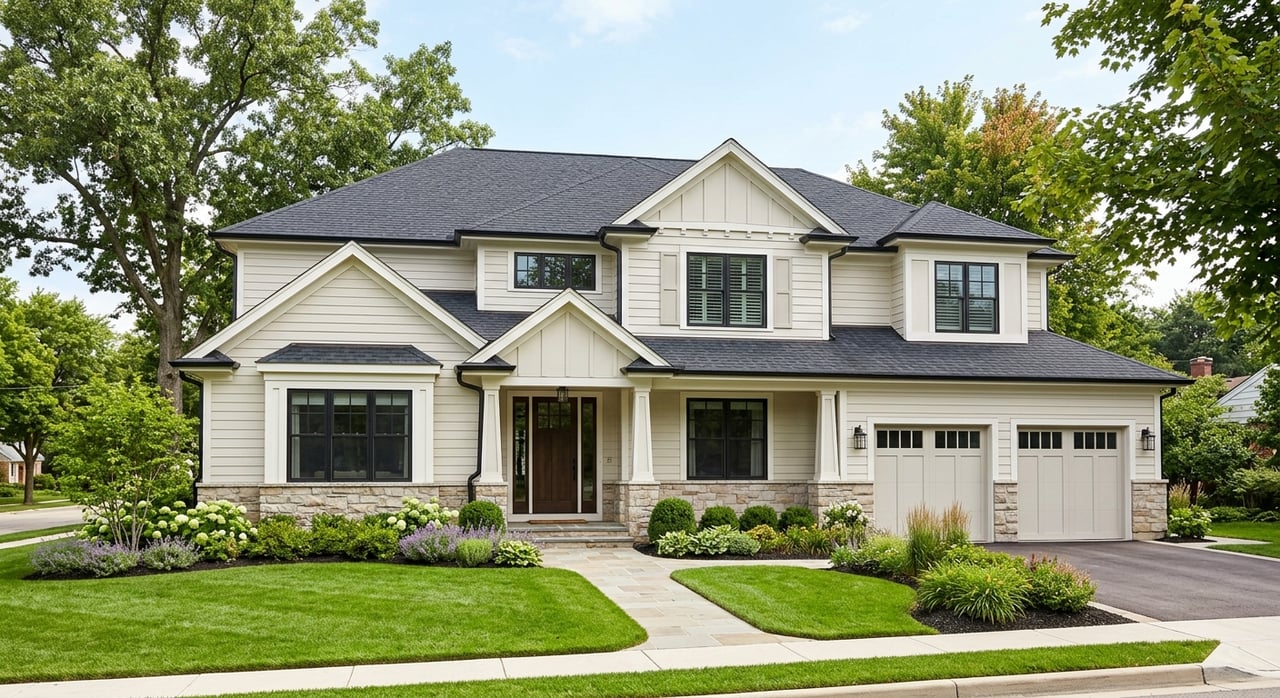
If your current home no longer fits the way you live, a move-up purchase in Stephens City may be the next smart step. You might want more square footage, a different layout, a larger yard, or a home that better matches your long-term plans. The good news is that Stephens City gives you several ways to make that move, with a housing mix that ranges from historic in-town homes to newer subdivision properties. This guide will help you think through timing, budget, home style, and tradeoffs so you can plan your next move with more confidence. Let’s dive in.
Why Stephens City works for move-up buyers
Stephens City offers a different balance than some nearby markets. According to the town’s history page, it was founded in 1758 and has kept much of its small-town character even as surrounding growth has continued. That can appeal if you want more room without jumping into a faster-moving market nearby.
The local numbers also help explain why buyers look here. Census Reporter’s profile for Stephens City shows about 2,393 residents, a median household income of $102,593, a median owner-occupied home value of $325,100, and a mean travel time to work of 43.7 minutes. In simple terms, you may find a better fit for space and price here, but commuting may be part of the tradeoff.
What a move-up home can look like
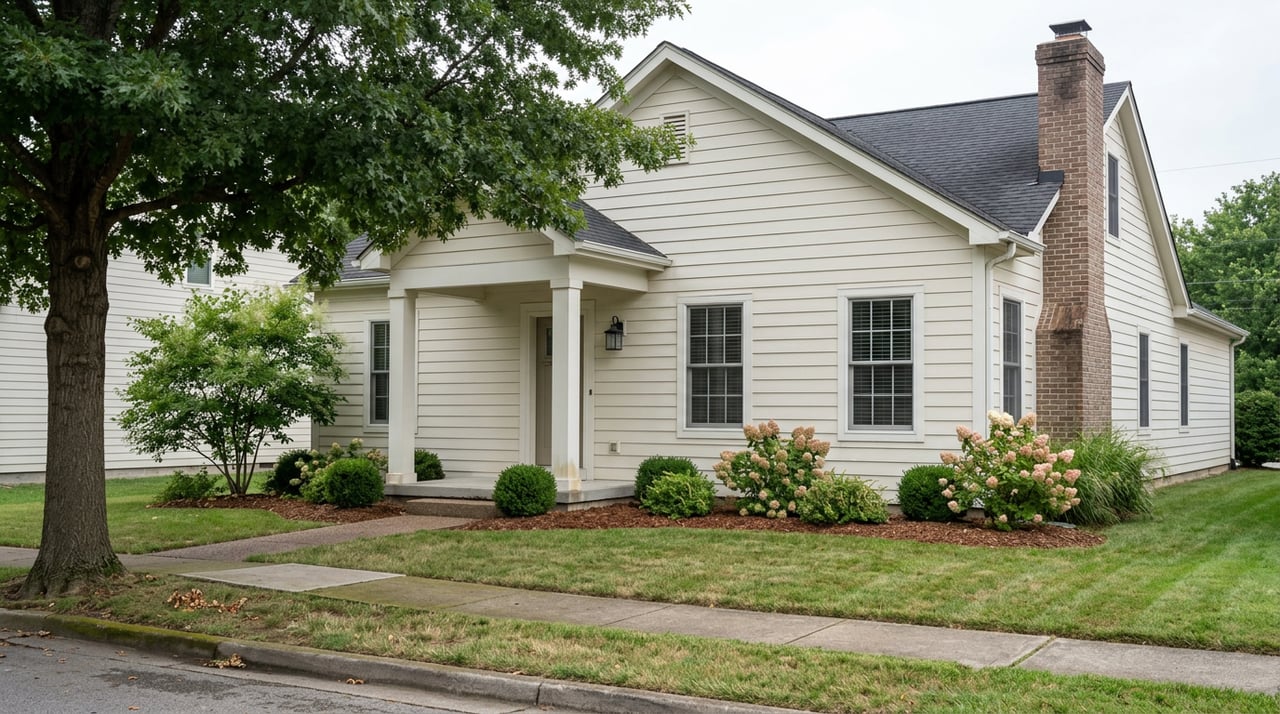
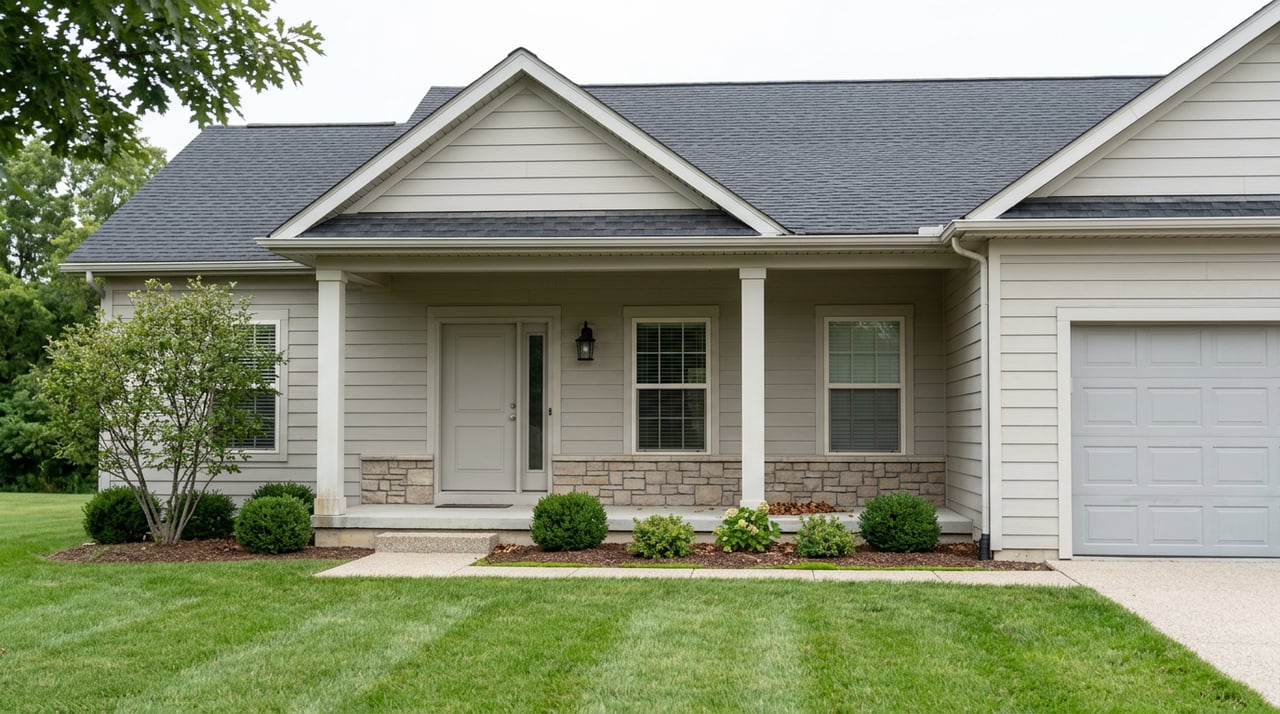
One of the biggest advantages in Stephens City is variety. This is not a market where every home looks the same or sits on the same lot size. Your move-up purchase could mean a detached home with more yard space, a newer build with a larger interior footprint, or a property with historic character in the older part of town.
The town’s historic housing stock is especially important to understand. The Virginia Department of Historic Resources describes the Newtown-Stephensburg Historic District as diverse in both age and style, including early log structures and later revival-era homes. That gives you options if you value architectural character, but it also means each property should be evaluated on its own condition, layout, and future potential.
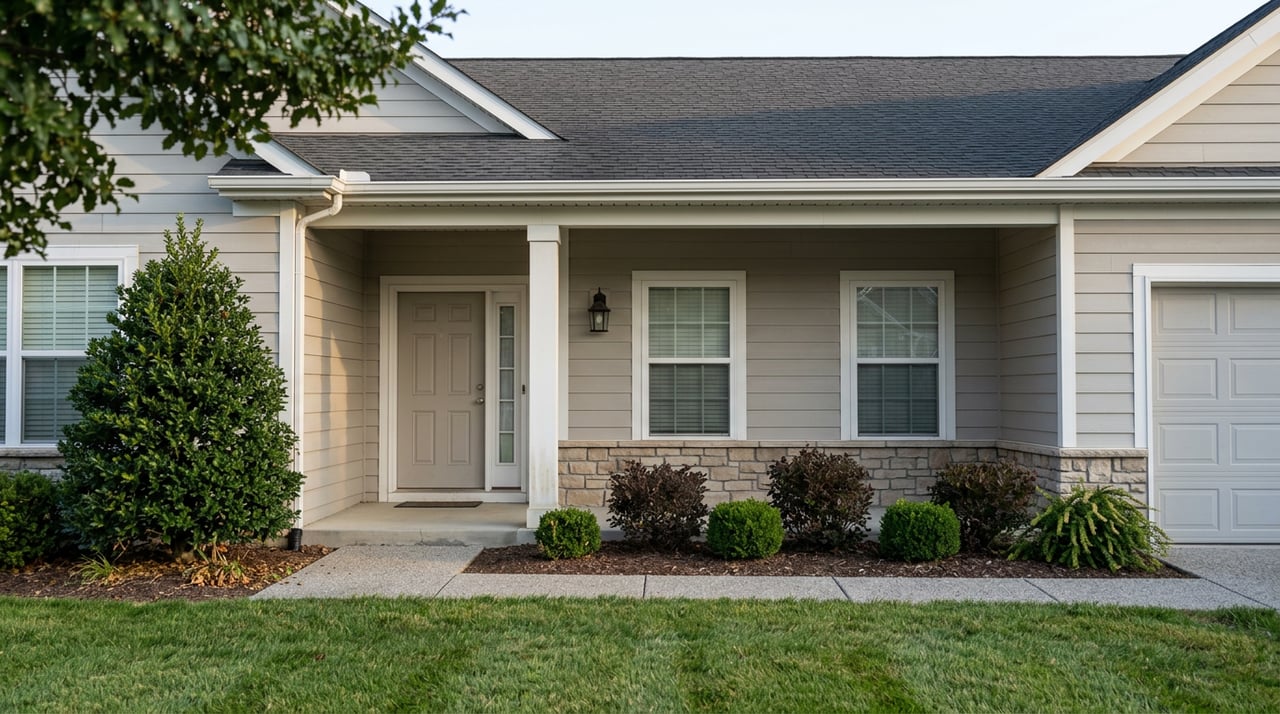
At the same time, Stephens City also includes newer homes and attached housing on smaller lots. The practical takeaway is simple: before you start touring, define what “move-up” means for you. More space can show up in several ways here.
Common move-up priorities
Many buyers moving up in Stephens City focus on a few key goals:
- More bedrooms or flexible living space
- A larger lot or more privacy
- A detached home instead of attached living
- Newer construction with less immediate maintenance
- A layout that fits changing household needs
- Better alignment with long-term financial goals
When you know which of these matters most, your search becomes much easier.
Lot size matters more than you think
In Stephens City, lot size should be a major part of your decision, not an afterthought. The town’s zoning pattern reflects real variation, with National Zoning Atlas data showing 1-family minimum lot sizes ranging from under 0.25 acres to 2 or more acres. That tells you the experience of owning one home can feel very different from owning another, even within the same town.
If you are moving up from a townhouse or a small-lot property, a bigger yard may be one of the main reasons to buy. But more land can also mean more upkeep, higher maintenance costs, and different expectations for how you use the property. It helps to decide early whether you want low maintenance, room to spread out, or something in between.
Historic district factors to know
Some move-up buyers are drawn to Stephens City’s older homes for their style, lot patterns, or in-town setting. That can be a great fit, but it is worth planning ahead if you may want to make exterior changes later. The town states that the Historic Preservation Committee reviews new construction and exterior alterations within the historic district overlay.
That does not mean a historic-area purchase is a bad choice. It just means you should understand the approval process before you buy if you hope to repaint, change siding, build an addition, or make other exterior updates. For some buyers, the character is worth it. For others, a newer subdivision home may offer more flexibility.
How Stephens City compares nearby
If you are deciding where to move up, it helps to compare Stephens City with nearby options. Redfin’s housing market snapshot for Stephens City describes the market as somewhat competitive, with homes averaging about 3% below list price and going pending in around 71 days. That pace can give you a little more room to evaluate options than you might find in a faster market.
By comparison, Winchester is more competitive, with homes averaging about 2% below list price and going pending in around 49 days. Front Royal is also somewhat competitive, averaging about 1% below list and around 70 days to pending. Stephens City’s recent pricing in the low-to-mid $300,000s can make it an appealing value-and-space option for buyers who want more home without moving directly into Winchester’s price and pace.
Weigh price against commute
A move-up purchase is rarely just about the house itself. It is also about your weekly routine, drive times, and long-term budget. In Stephens City, that tradeoff is especially clear.
Census data shows the town’s median owner-occupied home value is below the Winchester metro average, while its average commute time is longer. For some households, that balance works well because a lower price point may open the door to more space, a different home type, or a better fit for future needs. If you work in multiple locations or have a flexible schedule, the tradeoff may feel even more manageable.
Choosing your sell-and-buy strategy
For most move-up buyers, the hardest part is not choosing the next house. It is figuring out how to sell one home and buy another without too much stress, risk, or overlap. In Stephens City, your strategy matters because even a somewhat competitive market can make timing tricky.
The National Association of Realtors notes that many buyers make an offer contingent on selling their current home, but that contingency can weaken an offer in a competitive setting. NAR also explains that bridge loans can help homeowners access equity before their current home sells, allowing them to buy with fewer constraints.
Option 1: Sell first
Selling first gives you the clearest budget. You will know how much equity you have available, and you can shop with fewer unknowns. This path may also reduce the risk of carrying two housing payments at once.
The downside is timing. You may need temporary housing or flexible moving plans if your current home closes before your next purchase is ready.
Option 2: Buy first
Buying first can feel more comfortable if you want to move once and avoid interim housing. It can also help if you find a home that fits your needs and do not want to miss it. This route usually works best when you have enough savings or equity access to handle the overlap.
The risk is financial strain during the transition. You need a realistic plan for overlapping payments, closing costs, and moving expenses.
Option 3: Use a bridge solution
A bridge-loan approach may work if you have strong equity and income and want to make a more competitive offer without a home-sale contingency. This can create more flexibility between selling and buying. It may be especially helpful if the right move-up home appears before your current home is sold.
This option is not ideal for every household, but it can be useful in the right circumstances. The key is understanding the cost, qualification requirements, and timeline before you rely on it.
Questions to answer before you start touring
Before you begin looking seriously, it helps to get specific. A move-up purchase is easier when you know your priorities and your limits.
Ask yourself:
- Do you need more square footage, more land, or both?
- Would you prefer a historic home or a newer build?
- How much commute time are you comfortable with?
- Do you need to sell before you buy?
- Are future renovation options important to you?
- What monthly payment still feels comfortable after the move?
These answers can shape everything from your target price range to the type of neighborhood or lot that makes sense.
Planning for the next chapter
A move-up purchase in Stephens City is about more than upgrading bedrooms or yard size. It is about choosing a home that better supports the way you live now and where you want to be in the years ahead. With a range of home styles, variable lot sizes, and a market that can offer more breathing room than some nearby areas, Stephens City can be a practical place to make that next move.
If you are weighing the timing of a sale, the pros and cons of older versus newer homes, or how to turn your current equity into your next purchase, working with local guidance can make the process much clearer. When you are ready to build a smart plan for your next home in Stephens City, connect with Legacy Real Estate Group.
FAQs
What does a move-up purchase in Stephens City usually mean?
- A move-up purchase in Stephens City often means buying a home with more space, a different layout, a larger lot, or a home type that better fits your current and future needs.
How competitive is the Stephens City housing market for move-up buyers?
- Redfin describes Stephens City as somewhat competitive, with homes averaging about 3% below list price and going pending in around 71 days.
How does Stephens City compare with Winchester for move-up buyers?
- Stephens City generally offers a lower price point than Winchester, while Winchester tends to move faster and be more competitive.
What should buyers know about Stephens City historic district homes?
- If a home is in the historic district overlay, exterior changes and new construction may be reviewed by the town’s Historic Preservation Committee.
What is the best way to sell and buy at the same time in Stephens City?
- The best approach depends on your equity, savings, financing options, and timeline, but common paths include selling first, buying first, or using a bridge-loan style solution.