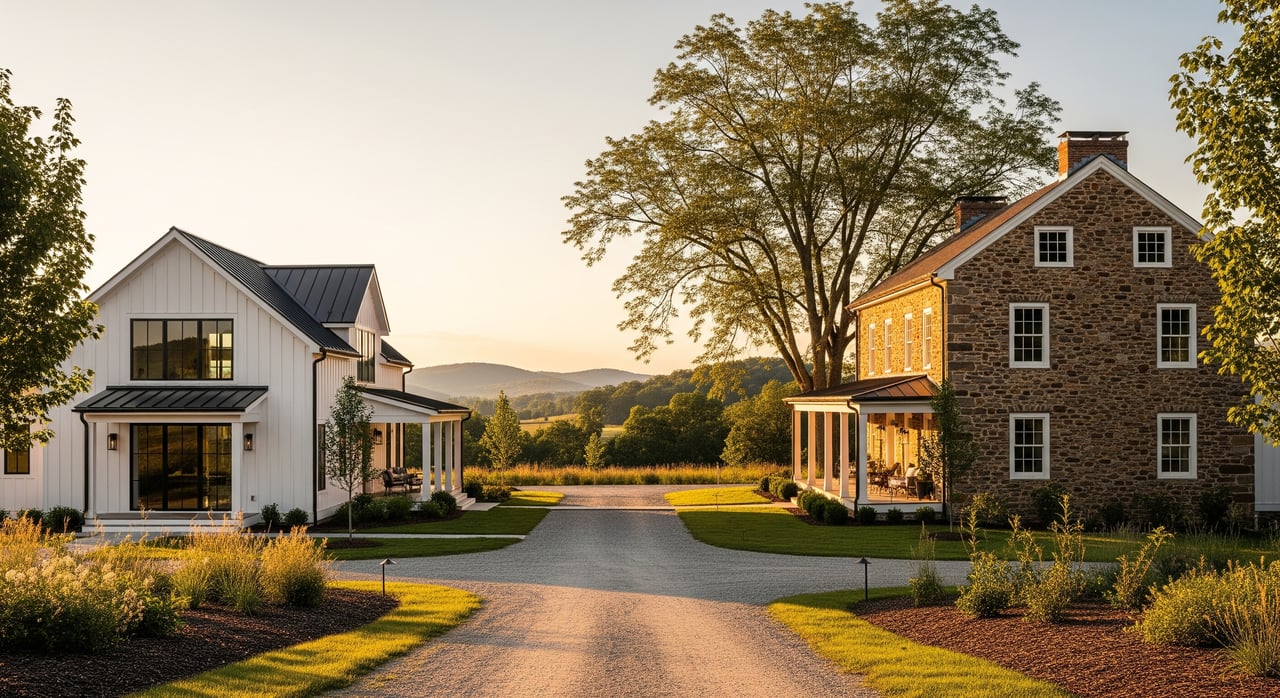
Should you buy a brand-new home or a well-loved resale in Middletown? It is a big choice, and the right answer depends on your budget, timeline, and long-term plans. If you want clarity on costs, maintenance, and value in Frederick County, you are in the right place. In this guide, you will compare pros and cons side by side and get practical steps that fit the way Middletown homes are built, sold, and financed. Let’s dive in.
Middletown market snapshot
Middletown sits in Frederick County in the Shenandoah Valley. It is a small-town setting with access to regional job centers and services in the greater area. Inventory can shift with the seasons, so it helps to review recent sales and active listings before you shop or list.
If you are comparing new construction and resale, focus on three local factors: how many homes are available, recent price trends, and typical days on market. Your agent can pull recent data from the local MLS and county records so you can plan with real numbers.
New construction: key pros and cons
Pros of new construction
- Modern layouts and energy efficiency that align with current building and energy codes.
- New systems and materials that often reduce short-term maintenance.
- Customization of floor plans and finishes when building from a plan.
- Builder warranties, often with short-term workmanship coverage and longer structural protection.
- Possible builder incentives, such as closing cost help or promo upgrades.
Cons of new construction
- Often a higher price per square foot compared with comparable resales.
- Upgrade and change-order costs can push the final price beyond the base.
- Build timelines and potential delays, which can affect your move-in date.
- Early-phase communities may have construction traffic and incomplete amenities.
- Appraisal challenges if there are few recent comparable sales.
Resale homes: key pros and cons
Pros of resale
- Potentially lower price per square foot, with room to negotiate based on condition and days on market.
- Mature neighborhoods, established landscaping, and larger lots in some areas.
- Immediate occupancy and a clear read on neighborhood character and traffic patterns.
- Access to locations or architectural styles not offered in new subdivisions.
Cons of resale
- Higher near-term maintenance or renovation costs for older roofs, HVAC, windows, or plumbing.
- Older systems may be less energy efficient.
- Unknowns behind walls and finishes, which call for thorough inspections.
- Depending on supply, sellers may price aggressively or attract multiple offers.
Quick comparison: new vs. resale
- Price: New builds can carry premiums and lot fees. Resales can be priced for updates, giving you negotiation room.
- Timing: New builds require patience and planning for delays. Resales can close faster if financing and inspections stay on track.
- Customization: New homes offer finish and layout choices. Resales offer what you see, with potential to renovate later.
- Maintenance: New systems reduce early repairs. Resales may need near-term replacements but can be upgraded to your taste.
- Warranties: Builders typically provide workmanship and structural coverage. Resales are often sold as-is, though you can consider a third-party home warranty.
Costs and financing in Frederick County
- Total cost vs. sticker price: With new construction, confirm standard features and get a written list of upgrades. With resales, factor in immediate repairs or renovations so you do not overspend after closing.
- Financing paths: New construction may use construction-to-permanent loans or builder-arranged financing. Compare interest rate locks, fees, and timelines. Conventional, VA, and FHA loans can be options, but confirm program requirements for new-builds.
- Appraisals: Appraisers rely on comparable sales. A unique new spec home or a character-rich older home can face appraisal gaps. Plan for how to handle a short appraisal.
- Taxes and assessments: A newly built home or significant renovation can trigger reassessment. Ask how Frederick County handles new construction assessments so you can estimate future taxes.
- Incentives and closing costs: Builder credits and promo upgrades reduce your effective price. Review how incentives are applied so they also work with your lender’s guidelines.
Timelines, inspections, and warranties
- New construction timelines: Build times vary with weather, supply chains, and labor. Get a written schedule and understand date contingencies.
- New-build inspections: Even with a warranty, schedule independent inspections at key phases, such as pre-drywall and final. Capture punch-list items in writing.
- Resale inspections: Order a full home inspection and add septic or sewer, radon, pest/termite, roof, and HVAC evaluations as needed. Use findings to plan repairs and negotiate.
- Warranties: Builders commonly provide short-term coverage for workmanship and longer structural coverage. Get documentation in writing and learn the claim process.
Neighborhoods, lots, and HOAs
- Lot differences: New subdivisions often offer smaller, more uniform lots with potential lot premiums for views or privacy. Established neighborhoods may provide mature trees and larger lots.
- CC&Rs and HOAs: Review covenants, community rules, and fees. Some older neighborhoods also have HOAs, so read all documents before you commit.
- Infrastructure and access: Consider sidewalks, parks, and proximity to services. If you commute, map your routes at different times of day.
Resale value and long-term outlook
- Layout and updates: Open floor plans, energy efficiency, and updated kitchens and bathrooms tend to help marketability over time.
- Systems and maintenance: Newer mechanicals can keep ownership costs lower in the early years, while older homes may need strategic upgrades. Keeping records of improvements supports resale value.
- Marketability: Homes in convenient locations or with standout features often see more interest. Your agent can show how recent buyers have responded to similar homes in the Middletown area.
Buyer checklist: new construction
- Confirm the builder’s track record, recent projects, and warranty handling.
- Get a written list of standard features, allowances, and upgrade pricing.
- Review HOA rules, fees, and the community buildout timeline.
- Secure lender pre-approval. If using construction-to-permanent financing, confirm interest rate locks and what happens if completion is delayed.
- Schedule independent inspections at pre-drywall and final. Use a detailed punch list at closing.
- Verify utility hookups, school assignments, and how your new assessment will affect property taxes.
Buyer checklist: resale
- Order a full home inspection and add septic or sewer, radon, pest, roof, and HVAC checks when relevant.
- Review seller disclosures, permits for past renovations, and utility history.
- Analyze recent comparable sales to calibrate price and plan negotiations.
- Confirm property boundaries, easements, and floodplain status. Get a survey if needed.
Seller checklist: competing with new builds
- Spotlight your strengths: lot size, mature landscaping, character details, and any recent upgrades.
- Make targeted updates that deliver value, such as kitchens, baths, or mechanicals. Stage for light and space.
- Provide documentation for improvements and warranties to build buyer confidence.
- Time your listing thoughtfully if nearby communities are running strong promotions.
How to decide what fits you
- Choose new construction if you value customization, lower early maintenance, and warranties, and you can handle a longer timeline.
- Choose resale if you prefer established neighborhoods, faster move-in, and the chance to invest in updates over time.
- In both cases, compare total cost of ownership, not just price. Include taxes, utilities, maintenance, and likely upgrades.
If you want a clear, local side-by-side with actual Middletown-area comps, we can pull current MLS data, outline financing paths, and map your move. When you are ready, we will help you weigh today’s decision against your long-term goals.
Ready to explore new construction and resale options with a team that treats your move as part of your legacy? Connect with Legacy Real Estate Group to get tailored advice or a free valuation. Start Building Your Legacy — Get a Free Home Valuation.
FAQs
Is new construction always more expensive in Middletown?
- Not always. New homes often carry premiums for modern systems and finishes, but real prices depend on current local comps, incentives, and the cost of upgrades.
How long does a new home take to build in Frederick County?
- Timelines vary by builder, weather, and materials. Ask for a written schedule, milestone dates, and what happens if completion is delayed.
Should I skip inspections on a brand-new home?
- No. Independent inspections at key stages, including pre-drywall and final, help you catch issues early and document punch-list items.
Will a new home cost less to operate than a resale?
- Often in the short term. Newer homes meet recent energy codes and have new systems, but actual costs depend on insulation, HVAC efficiency, and usage.
Can I use VA or FHA financing for a new build in Virginia?
- Possibly. The lender and builder must meet program requirements. Work with a lender experienced in VA or FHA new-construction loans.
What disclosures do Virginia home sellers provide on resales?
- Disclosures follow state law and local practice. Your agent can walk you through current forms and any exemptions that may apply.