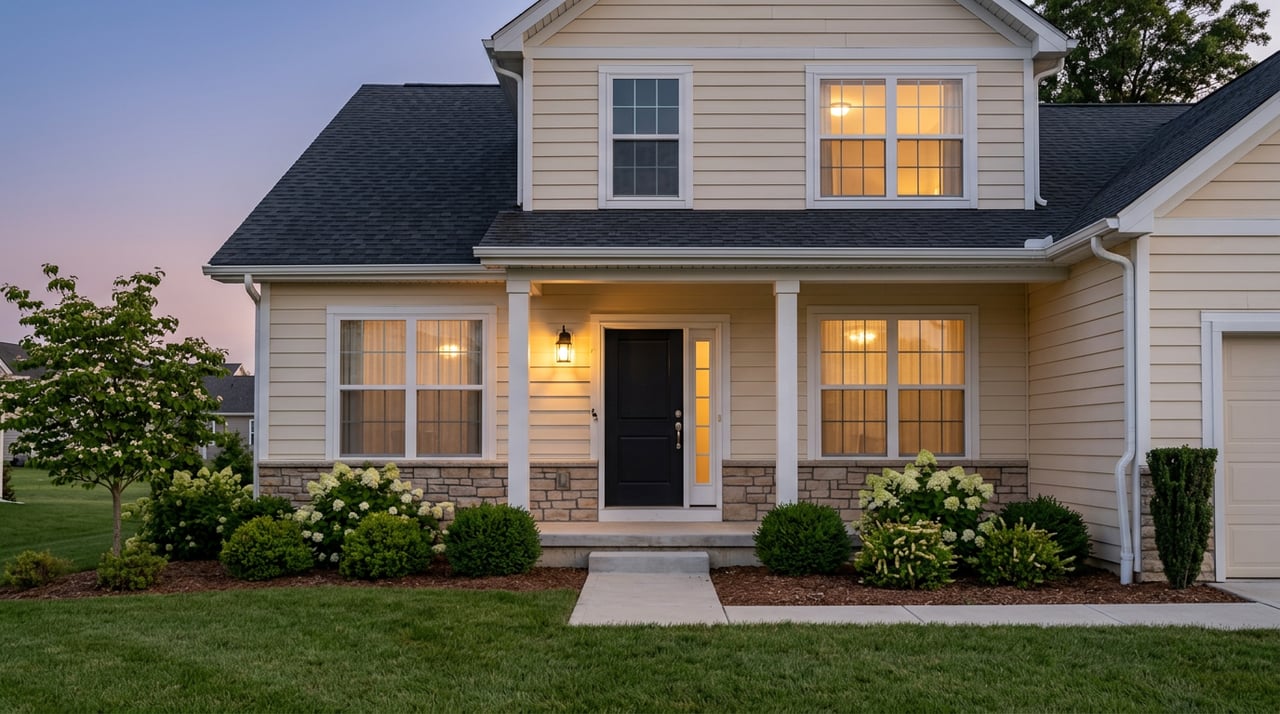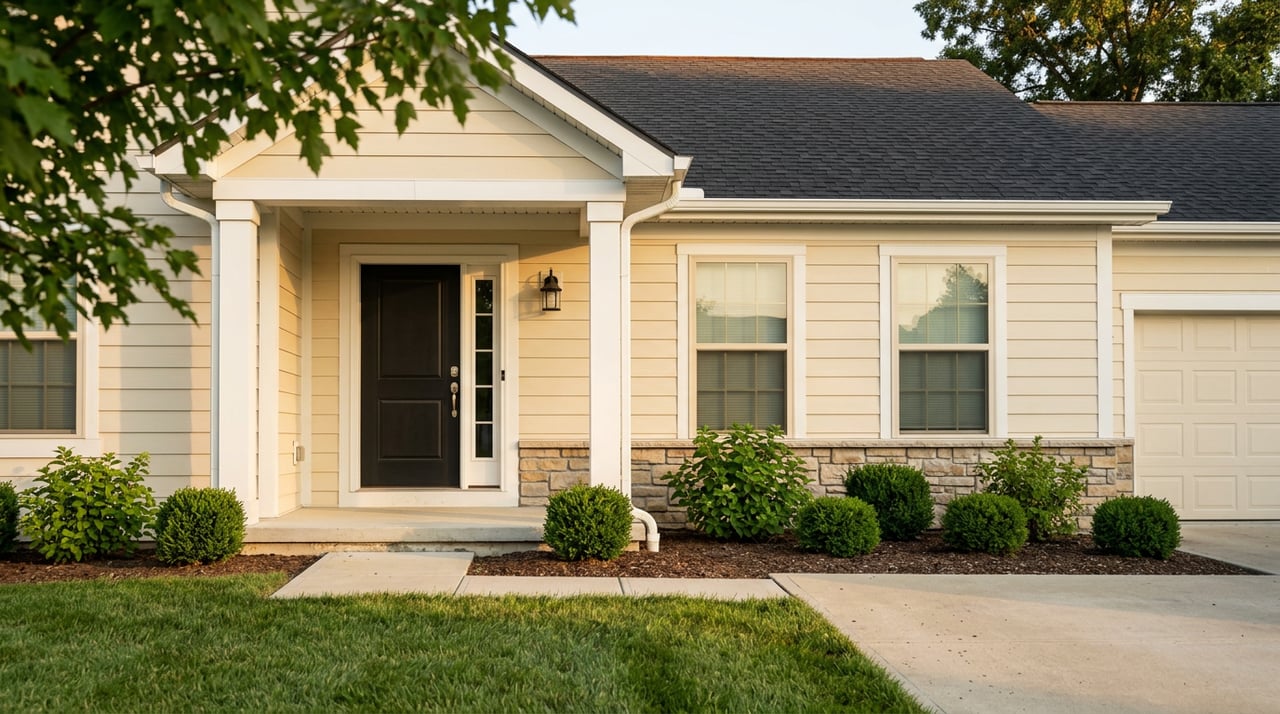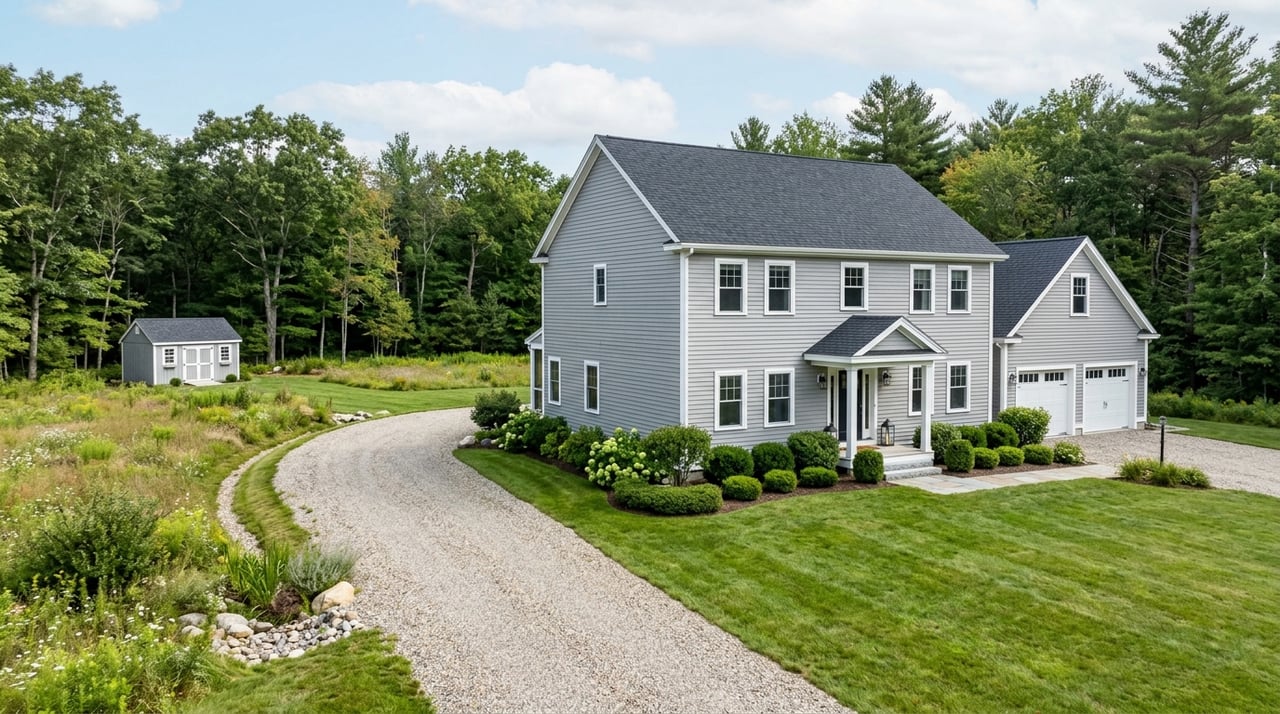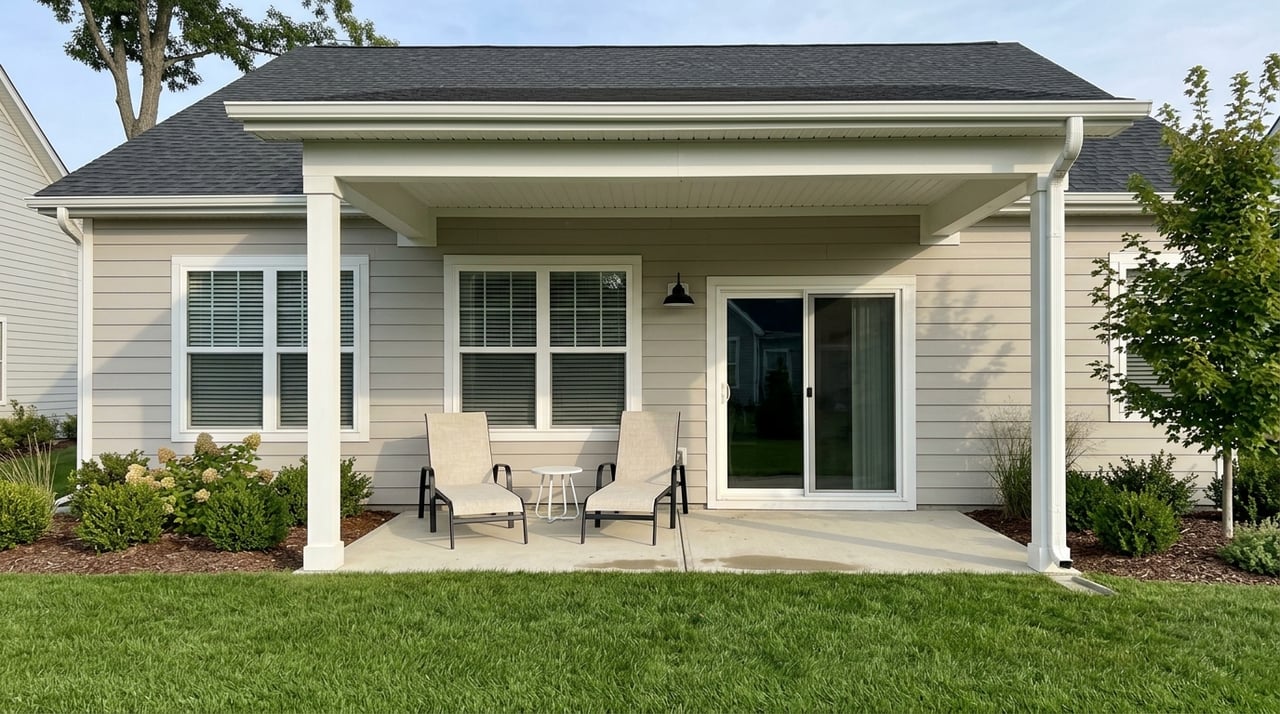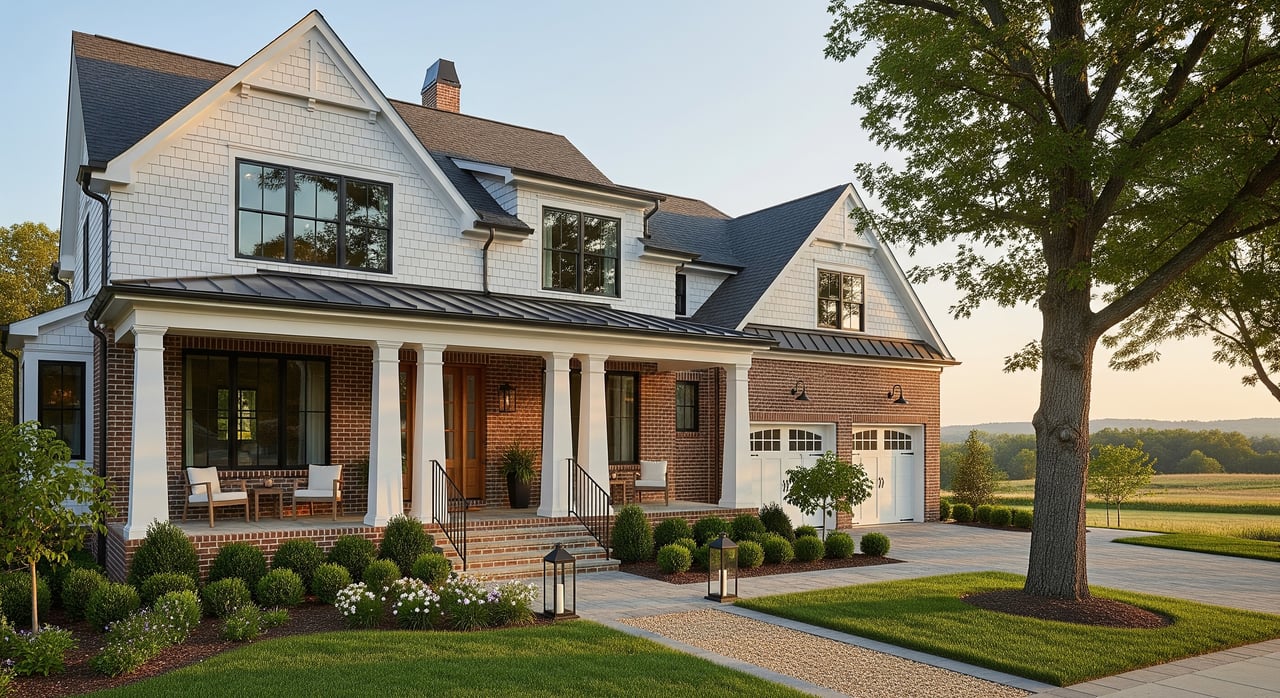
Trying to choose between a single-family home, a villa, or an elevator-accessible flat in Winchester Landing? You want low maintenance today and smart, future-ready features for tomorrow. In this guide, you’ll compare each home style, learn which design details matter most in a 55+ community, and see what to review before you make an offer. Let’s dive in.
Why Winchester Landing appeals
Winchester Landing is an age-targeted, new-construction community on the east side of Winchester designed for 55+ living. Communities like this focus on easy maintenance, main-level living, and convenient access to daily needs.
Local context matters. Winchester is home to Winchester Medical Center under the Valley Health system, which is a key consideration for many buyers. You will also want to confirm nearby shopping, pharmacies, and major routes like I-81 that serve the region. Ask the developer for a current site plan so you can compare lot orientation, street layout, and any planned amenities.
Compare home styles in Winchester Landing
Single-family homes
Detached homes usually offer the most privacy and outdoor space. Many models in 55+ communities include a main-level suite and flexible rooms for hobbies or guests.
- Pros:
- Maximum privacy and yard or garden potential.
- Flexible layouts and easier future modifications.
- Strong resale potential on desirable lots.
- Trade-offs:
- Higher maintenance unless the HOA covers landscaping.
- Typically higher upfront price and ongoing costs.
- Utilities and insurance may run higher.
- Best for: You want outdoor space, separation for guests, and room for projects.
Questions to ask the builder or HOA:
- Does the HOA handle exterior maintenance and lawn care for single-family homes?
- Are true single-level floor plans available, or are stairs involved?
Villas
Villas are attached or semi-detached homes that emphasize single-level, low-maintenance living with a house-like feel.
- Pros:
- Lower maintenance than most single-family homes.
- Main-level living is common, which supports aging in place.
- More privacy than flats, often with a small yard or patio.
- Trade-offs:
- Less outdoor space and some shared walls.
- HOA fees may be higher to cover shared services.
- Best for: You want a home-like entry and layout with minimal upkeep.
Questions to ask the builder or HOA:
- Which exterior items are HOA-maintained versus homeowner-maintained?
- Are garages standard, and how are utilities and meters set up?
Elevator-accessible flats
Flats place you in a multi-unit building with elevator service, which keeps your living space on one level and reduces maintenance.
- Pros:
- Minimal maintenance responsibilities for owners.
- Elevator access supports mobility needs over time.
- A more social setting with nearby neighbors and shared spaces.
- Trade-offs:
- HOA or condo fees can be significant, especially with elevator upkeep.
- Resale depends on HOA financial health and lending acceptance.
- Less private outdoor space.
- Best for: You want convenience, single-level living, and the simplest upkeep.
Questions to ask the builder or HOA:
- How are elevator maintenance and reserves funded?
- Is the building a condo association, and what are the rental and occupancy rules for a 55+ community?
Quick comparison
- Maintenance: single-family highest → villa moderate → flat lowest
- Privacy: single-family highest → villa moderate → flat lowest
- Cost profile: single-family often highest → villas → flats vary by HOA
- Accessibility: villas and flats usually prioritize main-level living; confirm single-family options
- Resale sensitivity to HOA finances: flats most sensitive → villas → single-family least
Design features that matter for 55+ living
Universal design essentials
Look for features that make daily life easier today and support aging in place later.
- Main-level primary suite and laundry.
- Zero-step entry at one entrance and minimal thresholds.
- Wider doorways and halls. Targets many buyers use: at least 32-inch clear doorways, 36-inch hallways, and a 5-foot turning circle in key areas.
- Showers with low or zero thresholds, built-in seating, and walls reinforced for future grab bars.
- Lever handles, single-lever faucets, and slip-resistant flooring in wet areas.
- Good lighting, accessible outlets and switches, and clear kitchen sightlines.
Smart and safety tech
- Smart thermostat for comfort and energy savings.
- Smart locks and video doorbells for easy access and visibility.
- Water leak sensors to prevent costly damage.
- Voice assistants or large-display hubs for reminders, telehealth, and lighting control.
- Optional medical alert and fall detection integrations, if desired.
Energy and comfort
- High-efficiency HVAC, water heaters, LED lighting, and solid insulation.
- Consider solar readiness and any local incentives.
- Lot orientation affects heating, cooling, and patio usability through the seasons.
What to review before you write an offer
HOA and governance
Request and review the full HOA package so you understand costs, responsibilities, and rules.
- CC&Rs, bylaws, rules and regulations.
- Current budget, financial statements, and reserve study.
- Recent HOA meeting minutes and fee-change history.
- Insurance summary and what the master policy covers.
- How the 55+ age restriction is enforced.
Why it matters: For flats, elevator reserves and the HOA’s financial health can affect future fees and resale. Lenders may also review condo financials.
Warranties and builder coverage
New construction typically includes multiple warranty layers. Confirm what is offered here.
- Structural coverage often extends several years.
- Systems and mechanical coverage commonly runs 1 to 2 years.
- Workmanship and materials are often covered for the first year.
- Ask about warranty transfer rules, service request procedures, and response timelines.
Inspections and contingencies
Even a brand-new home deserves a thorough check.
- Pre-drywall inspection to review framing, plumbing, and electrical rough-ins.
- Final inspection of systems and finishes.
- Independent HVAC and plumbing checks.
- Radon testing and, if relevant, a flood-elevation certificate.
Helpful contingencies:
- Home inspection contingency written for new construction.
- HOA document review contingency with enough time to evaluate reserves and rules.
- Appraisal and financing contingencies that reflect condo approval needs if you choose a flat.
Financing and ownership structure
The home type can shape your loan options and lender requirements.
- Single-family and villas often follow standard mortgage paths.
- Flats may require condo-project approval and a review of HOA reserves and occupancy ratios.
- FHA, VA, conventional, and other programs vary by project type. Confirm eligibility early.
- Reverse mortgage options exist for qualified borrowers. Understand counseling and estate impacts.
Taxes, insurance, and recurring costs
- Confirm property tax rates through local tax records.
- For flats, expect an HO-6 policy in addition to the master policy.
- Ask what HOA fees include, such as exterior maintenance, roof, elevator service, landscaping, snow removal, trash, and common-area insurance.
- Check for utility hookup fees and whether utilities are individually metered.
Lot and site checks
- Sun exposure and shade for energy and comfort.
- Noise sources and proximity to roads or central amenities.
- Grading and drainage, especially if any basement space is planned.
- Future building phases and nearby development that could affect views, privacy, or construction timing.
Decision checklists
If main-level living is your top priority
- Verify primary bedroom, bath, and laundry on the main level.
- Confirm at least one zero-step entry and low or no thresholds.
- Check doorway and hallway widths and turning clearances.
If low maintenance leads your list
- Get a written breakdown of HOA responsibilities and frequencies.
- Review exterior finish warranties for siding, roofing, and windows.
- Ask about snow and trash services and who handles landscaping.
If outdoor space is essential
- Compare private patios, balconies, and lot sizes.
- Confirm rules for gardening, grills, or exterior modifications.
- Ask about irrigation and who maintains it.
If social programming matters
- Request amenity hours, guest policies, and any clubhouse calendars.
- Ask about organized groups, events, or activity rooms.
If you are risk-averse on resale
- Review the HOA reserve study and any litigation or special assessments.
- Ask about the developer control period and the timeline for owner-led governance.
Offer strategy in new construction
- Attach the builder’s full specifications and standard features list to your contract.
- Include allowances for pre-drywall and final inspections.
- Use an HOA-document review contingency with sufficient time to study reserves and rules.
- For high-demand lots, discuss escalation strategies and clear deposit terms with your agent.
- If financing a flat, confirm lender project acceptance before making an offer and set a financing contingency that reflects condo approvals.
Choosing a home style in Winchester Landing is about fit. Match your daily routines and budget to the right layout, confirm the maintenance picture, and prioritize design features that help you live well for years to come. When you are ready to compare floor plans, review HOA documents, or craft a strong offer, connect with the local team that specializes in 55+ guidance. Reach out to Legacy Real Estate Group for one-on-one advice and next steps.
FAQs
What is the key difference between a villa and a single-family home in Winchester Landing?
- Villas are attached or semi-detached with lower exterior maintenance, while single-family homes are detached with more privacy and outdoor space but typically higher upkeep.
How do elevator-accessible flats affect monthly costs in a 55+ community?
- Flats often have higher HOA or condo fees to fund building systems like elevators and common-area insurance, so reviewing the HOA budget and reserves is essential.
Which home style best supports aging in place for 55+ buyers?
- Villas and flats usually emphasize single-level living and step-free access, while some single-family models also offer main-level suites; verify layouts before you decide.
What HOA documents should I review before buying in Winchester Landing?
- Ask for CC&Rs, bylaws, rules, budgets, financials, reserve study, meeting minutes, insurance summary, and age-restriction policies to understand costs and responsibilities.
Do I still need a home inspection on new construction in Winchester Landing?
- Yes, schedule pre-drywall and final inspections and consider independent HVAC and plumbing checks; combine inspections with a contract contingency for best protection.