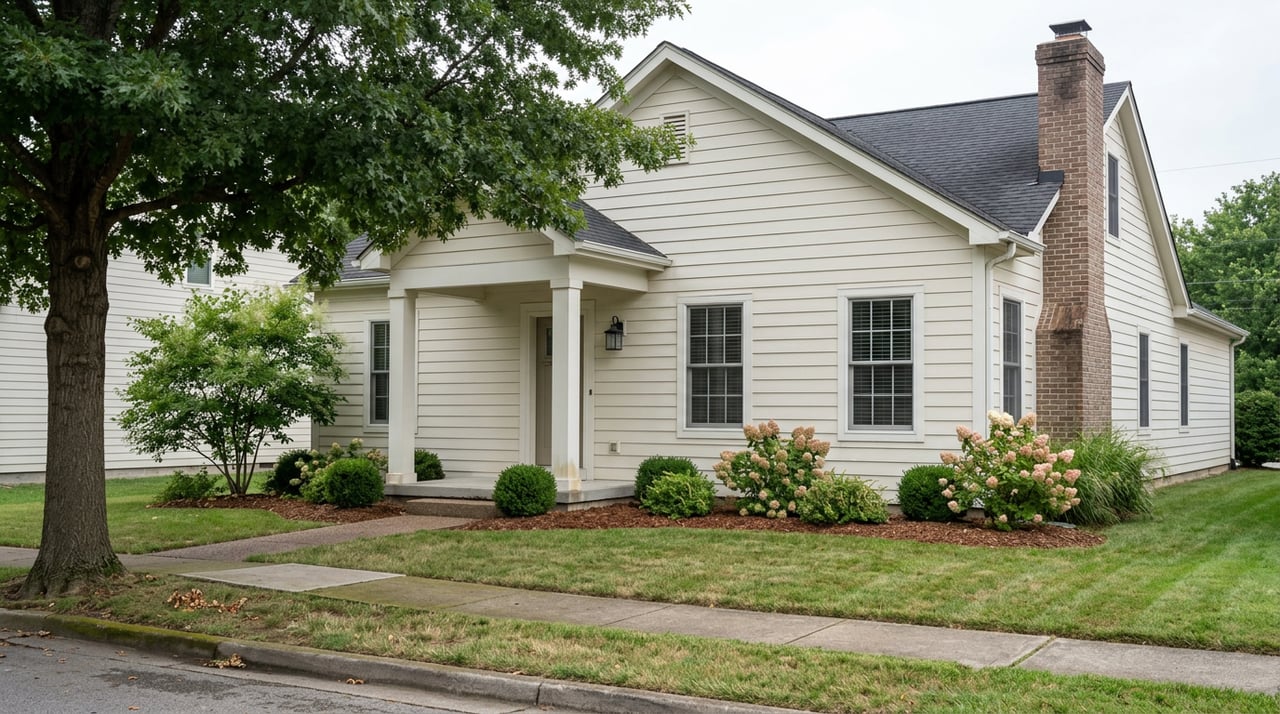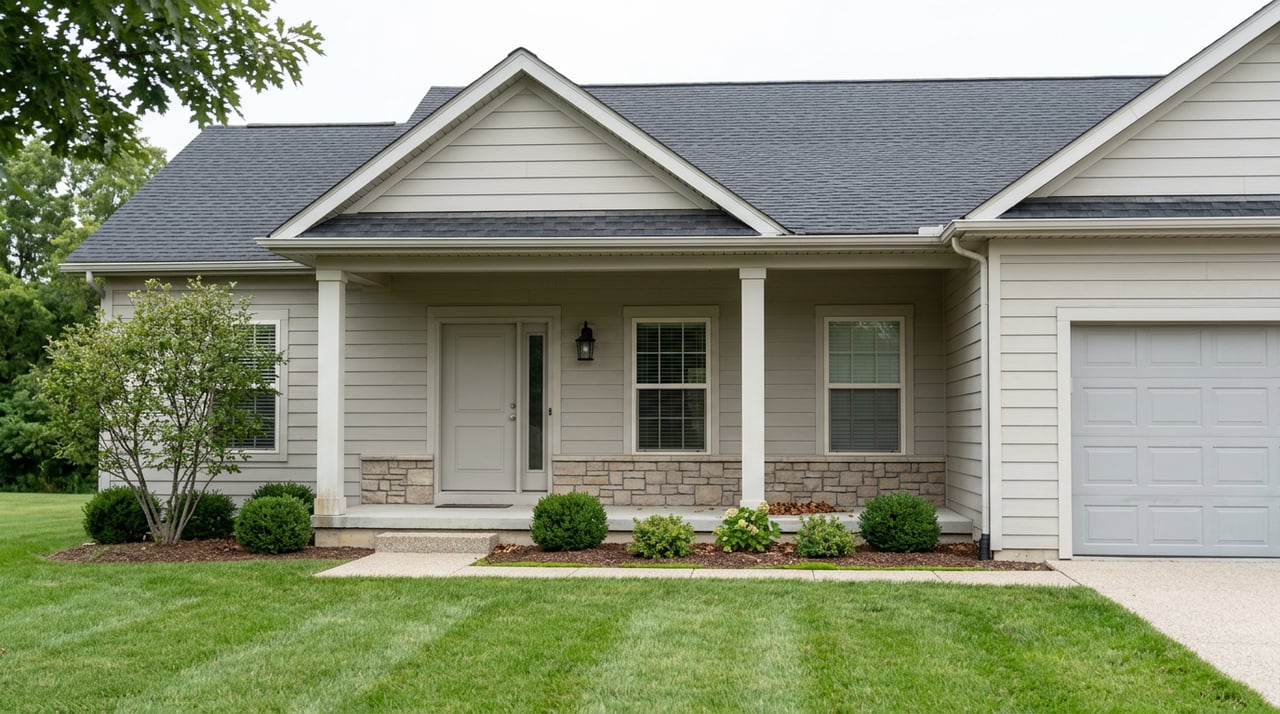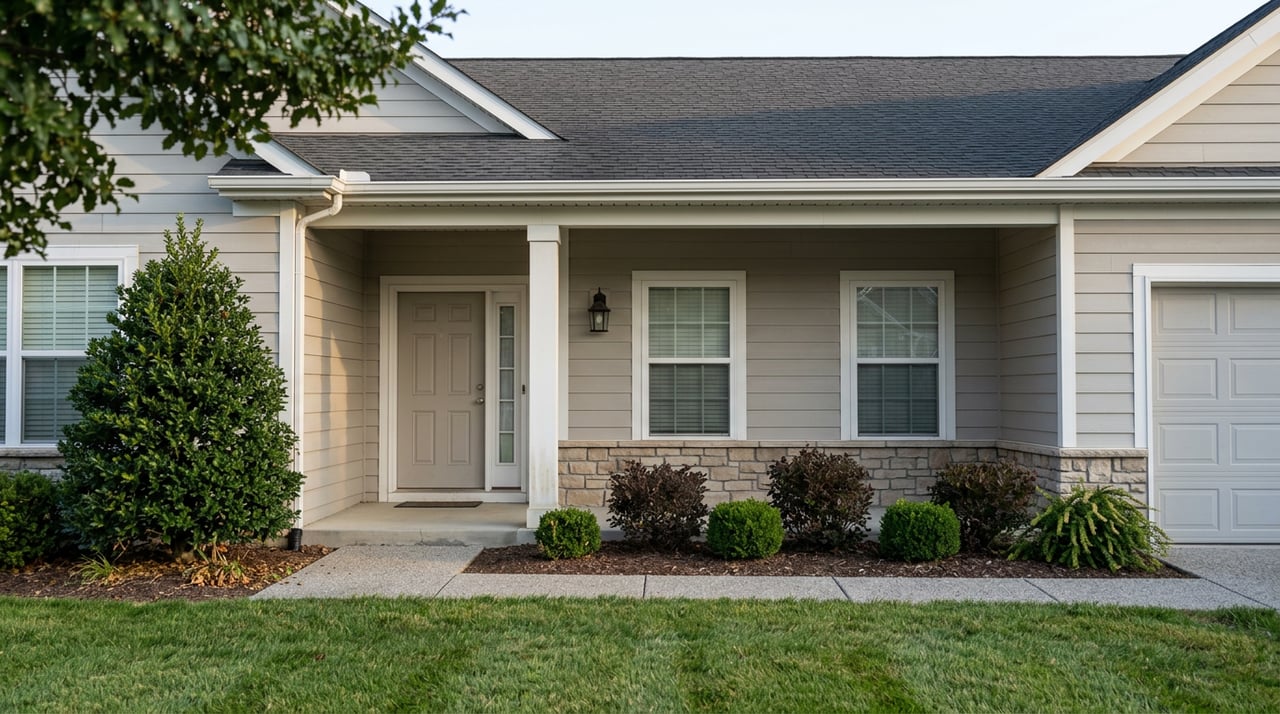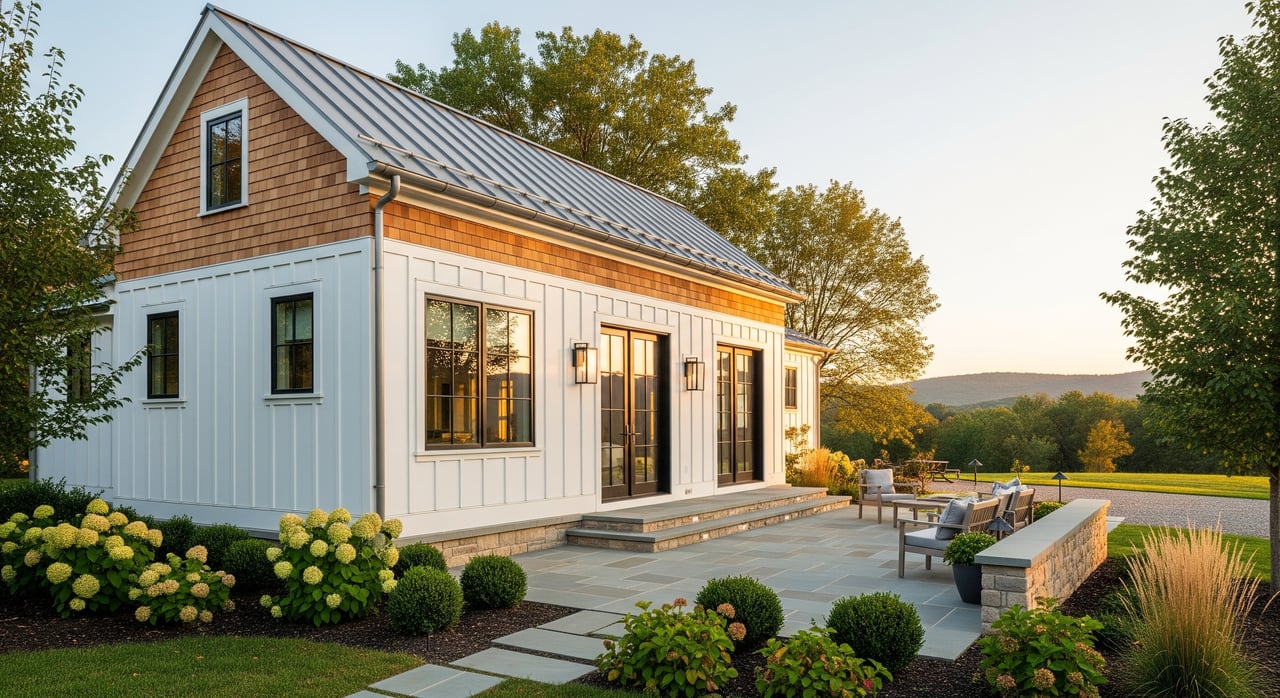
Thinking about turning a basement suite, garage apartment, or backyard cottage into rental income in Middletown? The rules can feel confusing, especially when Town and County standards overlap. You deserve clear answers on what’s allowed, how big your unit can be, and what permits you need before you rent. Below, we break it down for Middletown and greater Frederick County, with simple steps to get you moving. Updated October 2025. Let’s dive in.
ADU basics in Virginia
An accessory dwelling unit (ADU) is a smaller, self-contained home on the same lot as your primary house. It can be internal, attached, or a detached cottage. In Virginia, ADUs must meet the dwelling-unit standards in the statewide building code, the Virginia Uniform Statewide Building Code, which your local office enforces. You will need permits and inspections for structural, electrical, plumbing, and mechanical work under the state building code guidance.
Frederick County rules at a glance
Frederick County’s zoning code allows ADUs in single-family settings, with clear limits:
- One accessory dwelling per lot. You can add only one ADU to a single-family parcel. See the County’s accessory-dwelling section in the Frederick County Zoning Code.
- Size cap formula. Your ADU can be no more than 25% of your primary home’s gross floor area, or at least 500 square feet, whichever is greater. Example: a 2,000‑square‑foot home allows up to 500 square feet; a 4,000‑square‑foot home allows up to 1,000 square feet. Details appear in the County’s accessory-dwelling rules.
- Where detached ADUs are allowed. In some districts, the ADU must be attached. In RP, MH1, and R4 districts, detached ADUs are not permitted, so plan for an interior or attached unit in those areas. See the same code section for district notes.
- What does not qualify. Mobile homes are not permitted as ADUs in several residential districts, including RP, R4, and R5.
- Setbacks and parking. ADUs are treated as accessory uses and must meet applicable setbacks and site standards. Expect to show where occupants will park during permit review. The County outlines these expectations within its supplemental use regulations.
Middletown or County: which rules apply
Whether your property sits inside the Town of Middletown limits or in unincorporated Frederick County determines which zoning rules you follow. Middletown is an incorporated town with its own zoning districts and processes. If your home is inside town limits, start with the Town’s comprehensive plan and code summary to confirm your district and any overlays noted in the Town of Middletown comprehensive plan.
Much of central Middletown lies within the Middletown Historic District, which can add design review for exterior work. If you plan a detached cottage or visible addition, budget extra time for review in the Middletown Historic District.
Permits, building code, and septic
Before you build or convert space, you will apply for permits and pass inspections under the Virginia building code. Start with Frederick County’s Building Inspections and Code Administration, and coordinate with Planning and Zoning. The County’s departments directory is the quickest way to find the right office and contacts: Frederick County departments.
If you are on a private well and septic system, capacity is a common gating factor. Adding a dwelling or bedrooms can trigger a health department review and possible septic upgrade under Virginia onsite sewage rules. Contact the Frederick County Health Department early and review the state’s onsite sewage framework in the Virginia Register summary of onsite sewage regulations.
Income options: long term vs. short term
- Long‑term rental. The County’s accessory-dwelling section does not impose an owner-occupancy rule or a family-only restriction, and it does not ban renting an ADU long term. Your ADU still must be properly permitted, inspected, and issued a certificate of occupancy before you lease it. See the County’s accessory-dwelling rules.
- Short‑term lodging. Rentals of 30 days or less are regulated separately as “short‑term lodging.” If you plan to operate an Airbnb-style rental, confirm zoning allowances, any registration and permitting, and whether transient-occupancy taxes apply. Start with the County’s definitions and program references in the general zoning code and the County’s departments directory for Planning and the Commissioner of Revenue.
Also check HOA covenants and any private deed restrictions. Private rules can be more restrictive than local code and can limit or prohibit rentals.
Quick planning checklist
- Confirm your property’s jurisdiction. Is it inside the Town of Middletown or in unincorporated Frederick County? Use the Town’s planning resources in the Middletown comprehensive plan or call Planning and Zoning.
- Review size and form limits. Apply the 25% or 500‑square‑foot rule and check whether your district allows detached ADUs in the County ADU section.
- Call Building Inspections early. Discuss permit submittals, inspections, and the certificate of occupancy process using the County’s departments directory.
- If on well and septic, contact the Health Department. Ask about capacity and any needed upgrades under state onsite sewage rules.
- Decide on long‑term or short‑term rental use. Verify any licensing, registration, and tax obligations in the County’s general code and with the Commissioner of Revenue via the County departments page.
- Check HOA and, if applicable, historic district requirements. Plan design and timing accordingly, especially for visible exterior work in the Middletown Historic District.
Plan with a trusted local guide
ADUs can boost long-term wealth, but the details matter. If you are weighing an ADU for a purchase, prepping to sell a home with an ADU, or planning a build, we can help you assess value impact, navigate next steps with local offices, and connect you with the right pros. For clear, local guidance tailored to your goals, reach out to Legacy Real Estate Group.
FAQs
What is an ADU and how is it regulated in Virginia?
- An ADU is a self-contained home on the same lot as your main house, and it must meet the Virginia building code for dwelling units, with permits and inspections from local officials under state building code guidance.
How big can my ADU be in Frederick County?
- The County caps ADUs at 25% of your primary home’s gross floor area or at least 500 square feet, whichever is greater, per the accessory-dwelling rules.
Can I rent an ADU long term in Frederick County?
- The accessory-dwelling section does not ban long‑term rentals to non‑family, but you must secure permits, inspections, and a certificate of occupancy, and verify any HOA limits in the County ADU section.
Are short‑term rentals allowed for ADUs in Middletown or the County?
- Short‑term lodging, defined as 30 days or less, is regulated separately and may require registration, local permits, and tax collection, so confirm rules in the general zoning code and with the County’s tax office via the departments directory.
Do historic district rules affect ADUs in Middletown?
- Yes, exterior changes within the Middletown Historic District may need design review, which can affect detached cottages or visible additions; review the Middletown Historic District context and plan extra time.