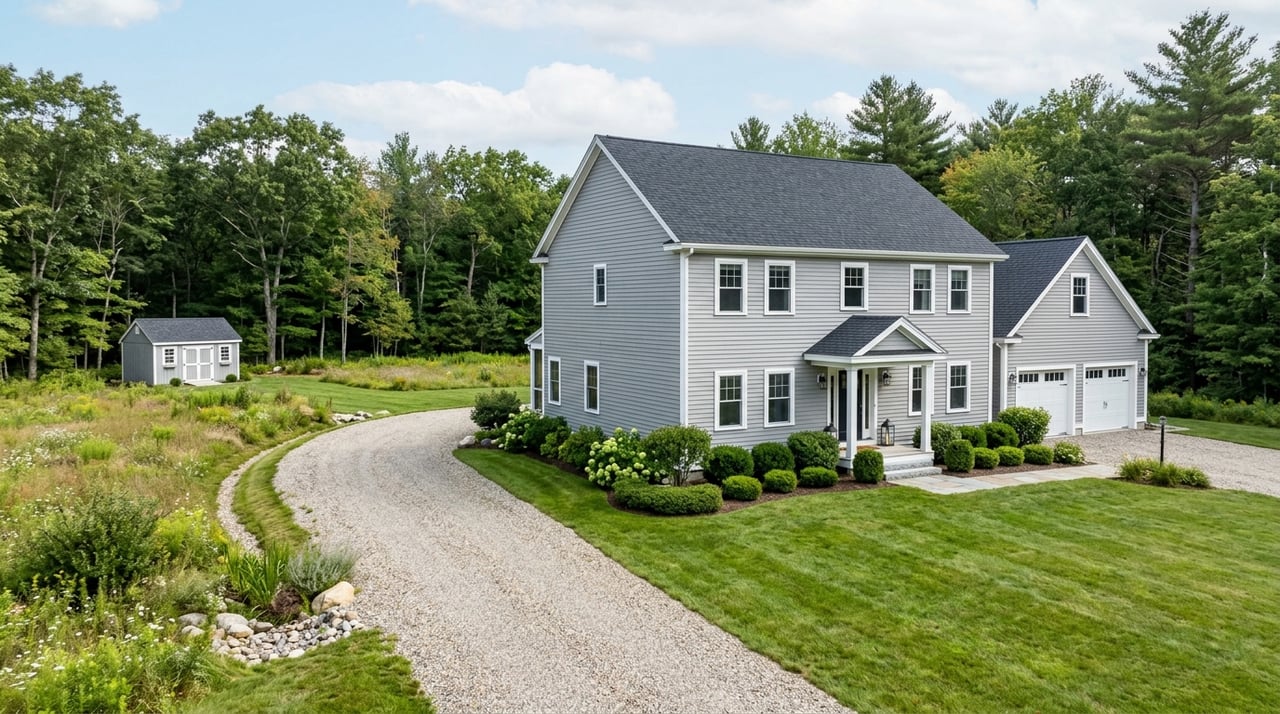
Dreaming about a few acres, a garden, maybe a barn, or even a small farm setup in Clear Brook? It is easy to fall in love with open land, but buying rural property takes a different kind of homework than buying a typical neighborhood home. If you want to understand what matters most before you buy land or a small farm in Clear Brook, this guide will help you ask better questions, spot common issues early, and move forward with more confidence. Let’s dive in.
Why Clear Brook Appeals to Acreage Buyers
Clear Brook sits within Frederick County’s rural planning framework, in an area identified as the Clear Brook and Brucetown Rural Community Center along the I-81 corridor. In practical terms, that means many buyers see it as a rural setting that still connects well to Winchester-area travel patterns.
That mix can be appealing if you want space without feeling completely removed. Still, each property can differ in access, restrictions, and improvements, so convenience should be evaluated lot by lot.
What “Small Farm” Often Means Here
In Clear Brook, a small farm is not just about how many acres you buy. It is also about how the parcel is zoned, what uses are allowed, whether animals are permitted, and whether any long-term land controls affect the property.
In Frederick County’s RA Rural Areas district, the minimum lot size is 5 acres, and the baseline is 5 acres per dwelling unit. On certain parcels of 7 acres or more that existed before December 11, 1991, the county allows limited 2-acre family conveyances if ordinance conditions are met.
That matters because two parcels with the same acreage may not offer the same flexibility. If you are thinking about a home, hobby farm, family setup, or future land division, the details behind the acreage matter just as much as the acreage itself.
Check Zoning Before You Assume Anything
One of the first things you should verify is the current zoning district. Frederick County advises buyers to confirm zoning through the county’s GIS tools or zoning office, especially because private covenants may be more restrictive than county rules.
The county also makes an important point: it does not enforce private covenants. So even if zoning allows a use, the deed, plat, or recorded restrictions may limit what you can actually do.
Frederick County adopted Phase I zoning and subdivision ordinance updates on May 13, 2026. The county described that phase as a reorganization and streamlining effort with no policy changes, but it is still smart to confirm current interpretations with county staff before making plans.
Animals and Agricultural Uses
If part of your goal is to keep animals, the RA district is especially important. Frederick County says chickens, other fowl, and livestock such as goats, sheep, and horses are permitted in RA, though private covenants can still be more restrictive.
That means a listing with acreage is not automatically a fit for your plans. You will want to confirm both the zoning and any private restrictions before assuming animals, fencing, or farm-related uses are allowed.
Accessory Structures and Living Space
Many buyers picture more than just a house on land. You may be thinking about a barn, shed, workshop, guest cottage, or space for extended family.
Frederick County says accessory dwelling units are allowed in all residential districts, and in RA they may be detached if they meet required setbacks. Building permits are required, so it is important to confirm whether the site can support the structure you want.
Understand Setbacks and Buildable Area
Rural parcels can look wide open, but not every part of the lot may be easy to build on. In the RA district, front setbacks are 60 feet from the property line or right-of-way, and side and rear setbacks depend on the adjoining parcel size, ranging from 50 feet to 200 feet.
Those distances can affect where you place a home, barn, garage, fence, or detached accessory dwelling. A parcel may have plenty of acreage on paper but still have limits on where improvements can realistically go.
A recorded plat can also preserve older setback lines that differ from current ordinance standards. That is another reason to review the plat early instead of waiting until you are deep into the purchase process.
Ask About Land Division and Future Flexibility
If you are buying with long-term plans in mind, future land division is worth discussing upfront. Frederick County says a subdivision plat must be approved before any land division is recorded in any zoning district.
This can be important for buyers thinking about creating a family parcel later or preserving future options. Even when a property seems large enough, the legal path to divide it may be more limited than expected.
For many acreage buyers, the real purchase is not just land. It is the combination of lot size, permitted uses, subdivision flexibility, and any permanent or voluntary land restrictions already in place.
Watch for Easements, Districts, and Private Restrictions
Not all land controls come from zoning. Some of the biggest surprises for rural buyers come from easements, district participation, or private recorded documents.
Frederick County uses Agricultural and Forestal Districts, which are voluntary, must total at least 200 acres, are renewed every five years, and provide added protections for farm and forest land. These districts are separate from the county’s land-use assessment program.
A conservation easement is different again. Frederick County says a conservation easement permanently limits future development to protect the land, and most conserved properties remain in farming or forest use. The county also notes that landowners do not have to grant public access through a conservation easement.
Private covenants can add another layer. Before you buy, review the deed, plat, easements, and any recorded agreements carefully so you understand what runs with the land.
Road Access Can Change the Whole Decision
Road access sounds simple until you are dealing with acreage. One of the biggest questions is whether the property fronts a state-maintained road, uses a private road, or depends on a shared access arrangement.
If a parcel fronts a state-maintained road, VDOT access management rules apply. VDOT says no entrance to a VDOT highway may be built unless the location and design comply with regulations and permission is granted through a land-use permit.
VDOT also notes that state-maintained secondary roads generally have route numbers of 600 and above. Roads that are not state-maintained may remain the responsibility of a developer or homeowners.
Driveways and Entrance Permits
If you are considering a new driveway or changing an existing entrance, permit rules matter. VDOT has a private-entrance permit for entrances serving no more than two private residences, entrances for agricultural field access, and certain low-traffic infrastructure access.
That can directly affect your plans for a homesite, farm lane, or shared entrance. A beautiful parcel is much easier to evaluate when you know how legal access will work and who will maintain it over time.
Private Road Maintenance Matters
Frederick County states that private covenants and HOA restrictions are not regulated by the county. That means buyers need to review any recorded road-maintenance agreement closely.
If access is by private road, ask who handles grading, plowing, repairs, and future improvements. Maintenance responsibility can affect both your budget and your day-to-day ownership experience.
Well and Septic Due Diligence Is Essential
For many Clear Brook land and farm properties, well and septic are central parts of the purchase decision. These are not just boxes to check during inspections. They affect capacity, daily use, and future expansion.
The Lord Fairfax Health District serves Frederick County and says county health departments maintain private well and onsite sewage records. New well and septic applications are supported by licensed Onsite Soil Evaluators.
Private Well Questions to Ask
Virginia Department of Health says it does not test private wells and does not require routine testing after installation. Newly constructed private wells must be tested for coliform organisms, and VDH recommends that prospective buyers test private well water for basic indicators, bacteriological concerns, and radiological concerns.
VDH also states that water testing tied to a home purchase is not required by the agency, though a lender may require it. For buyers, the practical takeaway is simple: do not assume the water system is fine just because the home is occupied.
Septic Records and System Capacity
VDH says septic records are available from the local health department, and the permit file can show tank size, drainfield size, and design capacity. That information can help you understand whether the existing system supports the current home and your intended use.
VDH does not require a septic inspection before transfer, but it recommends inspection by a licensed professional as early as possible in the purchase process. If the property uses an alternative septic system, the Lord Fairfax Health District notes that it must be inspected annually.
This is especially important if you are considering additions, an accessory dwelling, or changes in occupancy. The right question is not just whether the system works today, but whether it is documented and sized for what you plan to do.
Best Questions to Ask Before You Buy
When you tour land or a small farm in Clear Brook, keep these questions in mind:
- What is the current zoning district?
- What uses are permitted by right, and what requires additional approval?
- Are animals allowed for the way you plan to use the property?
- Is the parcel affected by an Agricultural and Forestal District, conservation easement, or private covenants?
- Is the road state-maintained, public, shared, or private?
- Is there a recorded road-maintenance agreement?
- Are there existing well and septic records?
- Do those records support the number of bedrooms, occupancy, or future improvements you want?
- Can you add a barn, shed, fence, driveway, or accessory dwelling without violating setbacks or easements?
- Has the parcel already been subdivided, and is future division possible?
Buying Rural Property Takes a Different Strategy
Buying land or a small farm in Clear Brook can be exciting, but it rewards careful planning. A property that looks ideal at first glance may have hidden limits tied to zoning, access, private restrictions, or utility systems.
That is why it helps to work with a local team that understands how to evaluate acreage beyond the listing photos. When you ask the right questions early, you can protect your budget, your timeline, and your long-term plans for the property.
If you are thinking about buying land or a small farm in Clear Brook, we would love to help you evaluate your options with a clear, practical approach. Reach out to Katrina Smith for local guidance tailored to your goals.
FAQs
What zoning should you check when buying land in Clear Brook, VA?
- You should verify the property’s current zoning district through Frederick County, because allowed uses, animal permissions, setbacks, and land division rules can vary by district.
What is the minimum lot size in Frederick County’s RA district?
- In the RA Rural Areas district, the minimum lot size is 5 acres, and the baseline is 5 acres per dwelling unit.
Are farm animals allowed on rural property in Clear Brook, VA?
- In Frederick County’s RA district, chickens, other fowl, and livestock such as goats, sheep, and horses are permitted, but private covenants may still restrict those uses.
What should you know about driveways on Clear Brook acreage?
- If the parcel fronts a state-maintained road, VDOT rules apply, and a new entrance or driveway may require a land-use permit based on the location and design.
Should you inspect well and septic systems before buying a small farm in Clear Brook?
- Yes. VDH recommends buyers review available records and have septic systems inspected by a licensed professional early in the purchase process, and buyers should also consider well water testing.
Can you divide land after buying acreage in Clear Brook, VA?
- Maybe, but you should not assume it is allowed. Frederick County requires an approved subdivision plat before any land division is recorded, and other parcel-specific conditions may apply.